Speakers
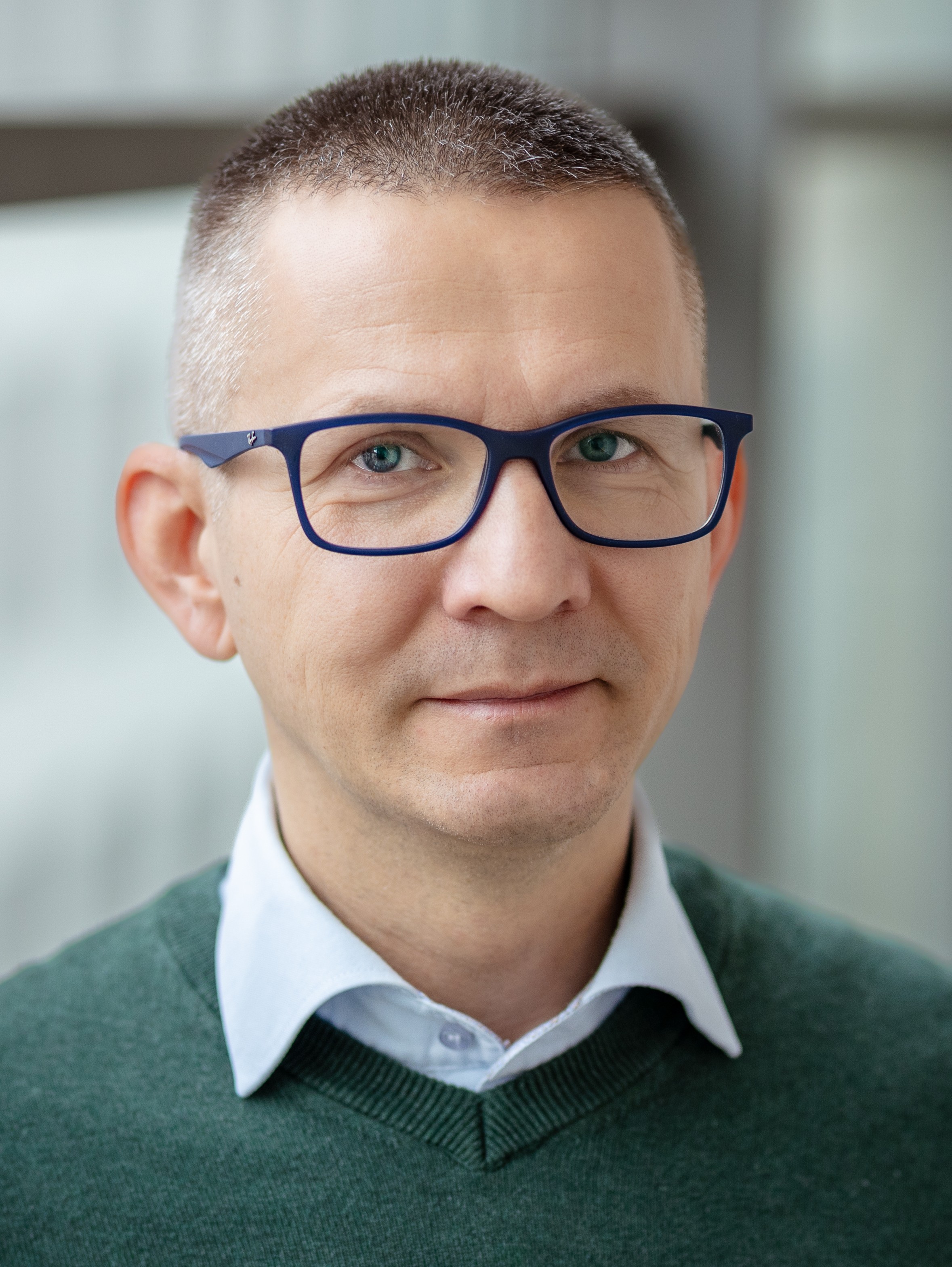 Prof. Marcin Kadej, PhD, DSc, Eng.
is the Head of the Department of Biology, Evolution and Invertebrate Protection, as well as the Head of the Laboratory of Forensic Biology and Entomology at the Faculty of Biological Sciences, University of Wrocław. A scientist and academic teacher, biologist, and engineer in marketing and management, he served as the Dean of the Faculty of Biological Sciences and Chairman of the Scientific Council for Biological Sciences from 2020 to 2024. He specializes in conservation biology, biodiversity protection, forensic entomology, and archaeoentomology, as well as natural resource assessment. He is the Chairman of the Regional Council for Nature Conservation in Wrocław (2025–2030 term) and a member of the scientific advisory boards for the Stołowe Mountains National Park and the Forest Promotional Complexes of "Lasy Doliny Baryczy," "Sudety Zachodnie," and "Lasy Środkowopomorskie". An expert for the IUCN Polish National Committee, he is also a member of the European Association for Forensic Entomology, the Polish Entomological Society, and the Upper Silesian Entomological Society. His research focuses on the taxonomy, systematics, biology, and ecology of insects, with a particular emphasis on beetles from the family Dermestidae.
He is the author of over 400 publications, including more than 100 in JCR-indexed journals, and has initiated species protection projects, such as the restoration of the ferruginous duck in the "Stawy Milickie" reserve. He completed a scientific internship at The Royal Holloway University of London and conducted research visits across many European countries. Between 2017 and 2025, he prepared over 230 expert opinions, inventories, and environmental supervisions, and his professional activities also include education in biodiversity management and nature conservation.
Prof. Viktor Benno Meyer-Rochow
is a New Zealander with a PhD in Neurobiology and a DSc in Ethnobiological Studies (both from the Australian National University in Canberra). His physiological research took him several times to Antarctica and the Greenland, but whose ethnobiologial work focused on Central and Western Australia, Papua New Guinea, North-East India and Korea (DPRK = North Korea and RoK = South Korea). He worked at the University of Waikato in New Zealand from 1975 - 1991 before being appointed Professor of Experimental Zoology at the University of the West Indies in Jamaica and then joining the University of Oulu in Finland. For 14 years (2000-2014) he taught at the International (Jacobs) University in Bremen/Germany before becoming the Managing Director of the Research Institute of Luminous Organisms on the Japanese Pacific island of Hachijojima for 5 years. After that he worked as Senior Scientist and Visiting Professor on a 3-year contract at Andong (Gyeong Kuk) National University in the Republic of Korea until June 2022. Since then he has been back as an Emeritus Professor at Oulu University in Finland. He was a recipient of an Alexander v. Humbodt Visiting Professorship from Germany, a Visiting Professorship from Finland, a 1-year research fellowship from Japan's Nippon Gakujitsu Shinkokai, a Fulbright Fellowship from the USA and a Queen Elizabeth II Fellowship in Marine Sciences. He spent his sabbaticals from New Zealand in India, China, Germany, Finland and France and participated in expeditions to the Moluccan Islands, Papua Niugini and the South Atlantic, with visits to South Africa, Namibia, St. Helena and Ascension Island.

Dr Chrysantus Tanga Mbi
Tanga heads a programme that supports insect farming innovations as a pathway to self-reliance in agrifood systems in Africa called Insects for Food, Feed and Other Uses [INSEFF] at the International Centre of Insect Physiology and Ecology (icipe). This programme has emerged as a transformative and sustainable circular economy pathway that addresses the interconnected challenges of food insecurity, environmental degradation, and economic vulnerability in Africa. By converting organic waste into high-value market-driven innovative products [i.e., alternative feeds, food, frass fertilizers, oils, chitin/chitosan, insect-oil enriched biorationals, and biotherapeutic products], insect farming offers an efficient circular economy solution that bridges nutrition, livelihoods, and ecological resilience.
He was ranked among the top 2% of scientists globally in the 2023 and 2025 Sanford University survey and identified as a highly cited researcher. He was ranked among the top 10% scientist in Biological Science in Kenya in 2025 according to the AD Scientific Index. The web of science ranking featured Dr Tanga among top 500 authors between 2014 – 2020. Dr. Tanga was the 3rd ranked researcher in Agricultural and Biological Sciences based on number of publications according to 2021-2023 Scival Scopus. His research has primarily focused on addressing knowledge gaps and establishing a research agenda for inclusive and resilient development in sub-Saharan Africa, particularly within the context of circular bioeconomy interventions. His team leading the continent-wide initiative on insect-based circular solutions won global recognition and was awarded the prestigious Curt Bergfors Food Planet Prize in 2020; 2023 World Academy of Sciences [TWAS] Award in Agricultural Sciences, Norman E. Borlaug Award for field research and application in 2024 sponsored by the World Food Prize Foundation and Anthropocene Award in 2026 for outstanding research impact beyond academia.
Dr. Tanga's research has extended beyond laboratories into practice and on land to support grassroot farmers, as he has been instrumental in designing holistic scaling approaches aimed at systematically improving agricultural production, and resilience to climate change. He holds a very strong publication record comprising over 220 internationally peer-reviewed articles, his work has garnered significant recognition and has accumulated more than 8883 citations (H-index 49 and i10-index 157) according to Google Scholar. He has also contributed to various book chapters and policy documents, effectively disseminating his expertise and findings to a broader audience. Beyond his research endeavors, Dr. Tanga actively engages in resource mobilization, policy advocacy, spearheaded the development of harmonized continental standards on insect farming innovations and derived products, and outreach efforts. Tanga has played a crucial role in mentoring numerous young researchers and postgraduate students, served as an evaluator for research grants, keynotes, and provided valuable academic editorial and reviewing services.
Dr. Tanga holds a BSc in Zoology and MSc in Medical Entomology from the University of Buea, Cameroon. Dr Tanga also holds a Doctor of Philosophy (PhD) in Agricultural Entomology from the University of Pretoria, South Africa, through icipe’s African Regional Postgraduate Programme in Insect Science (ARPPIS) - DAAD scholarship programme
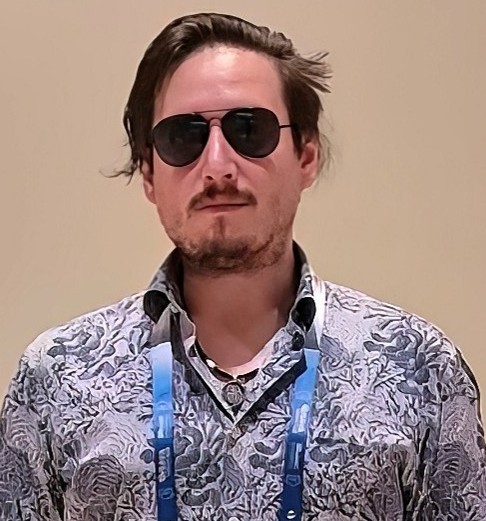 Remigiusz Gałęcki, DVM, PhD
is a Assistant professor Department of Veterinary Prevention and Feed Hygiene, Faculty of Veterinary Medicine, University of Warmia and Mazury in Olsztyn.
His main research interests are veterinary entomology, with a particular emphasis on edible insects, pests, and ectoparasites. His current research focuses on the potential use of edible insects in the agri-food sector, with particular emphasis on the Yellow mealworm, and assessing the impact of this insect on animal health. Dr. Gałęcki's research goal is to implement edible insects into veterinary medicine in its broadest sense. He completed research internships at One Health Center, Berry College, USA (2018) and the National Research Center for Protozoan Diseases, Obihiro University of Agriculture and Veterinary Medicine, Japan (2019, 2023).
He has participated in numerous research and development projects, including the "Gospostrateg" project, which aimed to develop a strategy for the use of alternative sources of insect protein in animal nutrition, and the "UpWaste" project. He led the project entitled "Development of insect protein-based food for companion animals with diet-dependent enteropathies", financed under the "LIDER XII" program by the National Center for Research and Development. Currently, he is the head of the research task "Hypoallergenic food for dogs based on mealworms of the "Cardiac" and "Gastrointestinal Low Fat" types as follow-up innovations" within the "Science4Business" project and an investigator in the OPUS project "Bioavailability of doxycycline and its effect on the development of the Yellow mealworm (Tenebrio molitor). He is also the author of numerous innovations and patent applications.
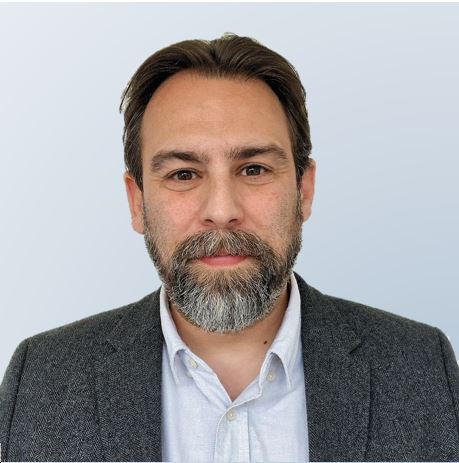 Thomas Lefebvre PhD
is a researcher and entrepreneur with over a decade of experience in the insect industry for feed and food. He has played a key role in the sector's growth through his commitment as R&D Director at Ÿnsect, former leader in mealworm production, and now as the founder of ELYTR, a service firm dedicated to supporting insect producers. He has led multidisciplinary work ranging from innovation and research to industrial scale-up. Numerous achievements include pioneering breakthroughs in insect genomics, breeding, advanced nutrition, health, biosafety, and welfare. He actively contributes to the development of the insect value chain by representing the industry within institutions and through international lectures.
His career reflects a passionate dedication to insect biology and its valorisation to address global challenges sustainably. An insightful journey, marked by both successes and setbacks, that gives him a critical and informed perspective on the current state of the sector, its evolution since its early days, and its future developments.
 Nils Th. Grabowski DVM, PhD
Dr. med. vet. Head of Department at the Institute of Food Quality and Food Safety, University of Veterinary Medicine Hannover, Germany
He studied veterinary medicine and animal production at the National Autonomous University of Mexico (UNAM) in Cuautitlán, Mexico in 1988-1993. He worked as a practitioner in several large and small animal clinics in Germany. He earned a doctorate in milk hygiene at the University of Veterinary Medicine Hannover (TiHo) in 2000. During his employment at the University, he became head of the department, specializing in milk hygiene and academic teaching.
He has been working with productive insects since 2006. In 2019, he became head of the newly established Department of Hygiene and Technology of Productive Insects at the Institute of Food Quality and Food Safety (LMQS), TiHo. He was an audit expert on edible insects for EFSA and German public health authorities.
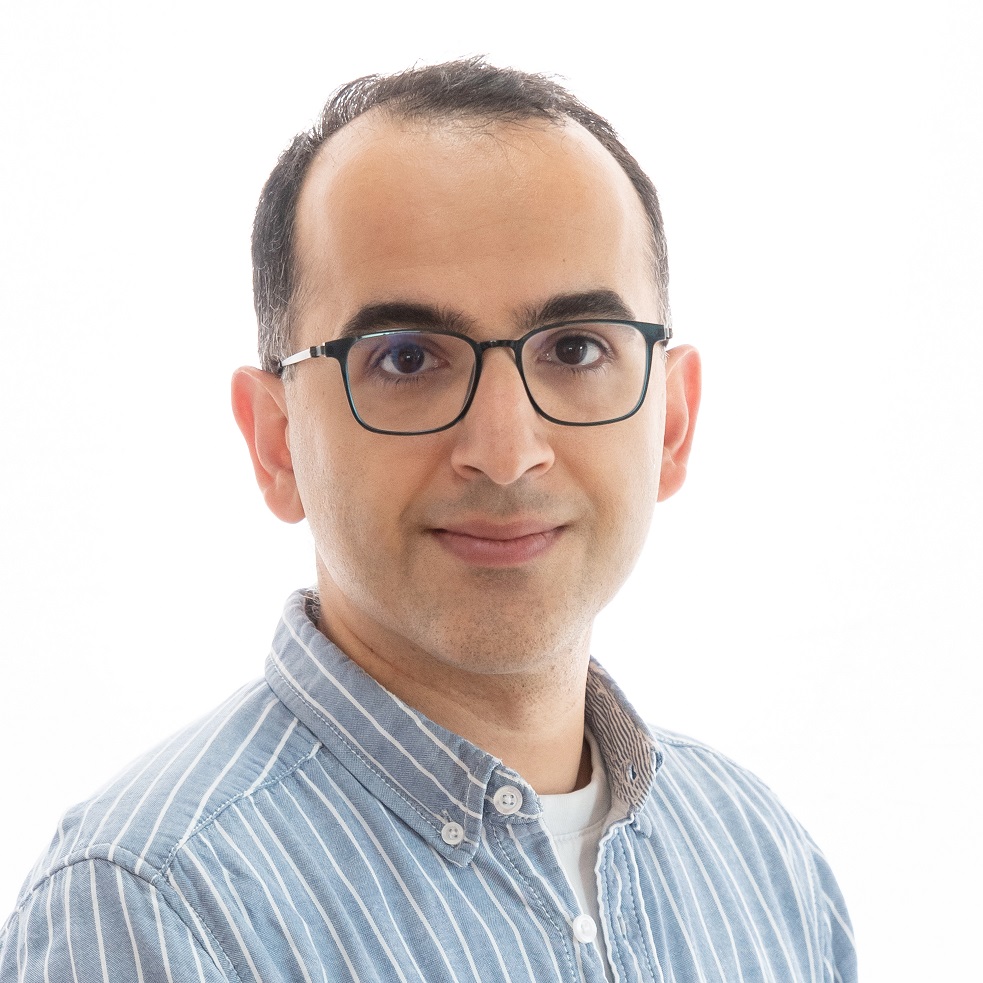
Arya Rezaei Far, DVM, DVSc, MSc Wageningen Livestock Research, Wageningen University and Research, The Netherlands.
Researcher in Poultry Nutrition.
His research explores the dynamic interaction between nutrition and health in poultry. At Wageningen Livestock Research (WLR), he is actively involved in national and international projects on circular agrifood systems and sustainability in poultry nutrition. His research includes evaluating alternative and locally sourced feed ingredients, developing circular diets, and reducing crude protein and phosphorus levels in poultry feed, all while assessing their impacts on the health and resilience of poultry.
Arya graduated as a Poultry Veterinarian (DVSc in Avian Diseases) from the University of Tehran, where he researched Newcastle Disease, vaccination failure, and the role of nutritional interventions in vaccination response.
After working for four years in the poultry industry, he attended WUR to further specialise in poultry nutrition through the Master's program in Animal Science in 2018. Since 2021, he has worked as a researcher in Poultry Nutrition at WLR. In 2024, alongside his role at WLR, he began a PhD at the Animal Nutrition Department, focusing on the effects of bioactive compounds in Black Soldier Fly larvae on poultry health.
Honorary Patronate
Partners

National Veterinary Research Institute (PIWet-PIB)
|
Warmia and Mazury Chamber of Veterinary Medicine |
Warmińsko-Mazurski Agricultural Advisory Center based in Olsztyn
|
Polish Association of Insect Breeders and Producers |
Media Partners